




For every Nigerian on a salary, bills and billings rarely wait till payday. From the 20th of that month, you start getting pressured for school fees, house utilities, hospital bills, and family bills. By the time the salary comes, it’s already spoken for, and you’re waiting for the next payday.
If you earn a steady salary, you already hold the one thing most lenders care about most: predictable monthly income. That is the quiet advantage behind nearly every salary loan, payday loan, and collateral-free loan in Nigeria, and it is especially strong if you are a civil servant whose pay runs through a government payroll.
This guide explains how personal loans and salary loans in Nigeria actually work, how much civil servants and private sector workers can borrow, how repayment is structured, and how to tell a regulated lender from a loan shark. It focuses on Credit Direct's loan products for federal, state, paramilitary, and private sector employees, and on the government-backed credit scheme now available to public servants nationwide.

What is a payday loan in Nigeria, and how is it different from a salary advance?
A payday loan in Nigeria is a short-to-medium term personal loan repaid from your salary, usually without collateral. The term gets used loosely, so it helps to separate the things people lump together:
A salary advance is an early release of money you have already earned, typically arranged through your employer or an employer-linked lender, and recovered from your next paycheck.
A salary loan (sometimes called a payday loan) is a proper loan from a licensed lender, secured against your monthly pay and repaid in instalments over several months rather than all at once.
An employer advance is an informal arrangement directly with your organisation, with no third-party lender involved.
The practical difference is tenure and size. An advance is small and clears in one cycle. A salary loan can run from a few months to three years, can reach several million naira, and is the right tool when the need is larger than a single month's pay can absorb. For most salary earners searching for fast funds, the salary loan is what they actually want.

How do salary loans work for civil servants in Nigeria?
Salary loans for civil servants work on income verification and payroll-based repayment, not collateral. Because a government salary is regular and traceable, a lender can assess affordability from your pay rather than asking for property or a guarantor.
Federal employees are paid through the Integrated Payroll and Personnel Information System (IPPIS), the central platform the Office of the Accountant-General uses to pay salaries and route approved third-party deductions such as tax, pension, union dues, and loan repayments.
When a civil servant takes out a salary loan from an approved bank or Microfinance Bank (MFB), the lender links that loan contract directly to the employee's unique IPPIS number. This setup ensures that the repayment is automatically deducted at source on payday and remitted to the lender before the remaining salary balance reaches the employee's account.
With providers like Credit Direct, civil servants are served through their own payroll structures, with a similar deduction principle. For private sector workers, a direct debit mandate will be set up.
This is why no Credit Direct personal loan requires collateral or a guarantor, whether you work in the public or private sector. A payslip answers whether you can repay. Your side stays simple: keep repayment within what your pay can carry, and check your payslip monthly so your records and the lender's agree.
How much can a civil servant borrow, and what does it cost?
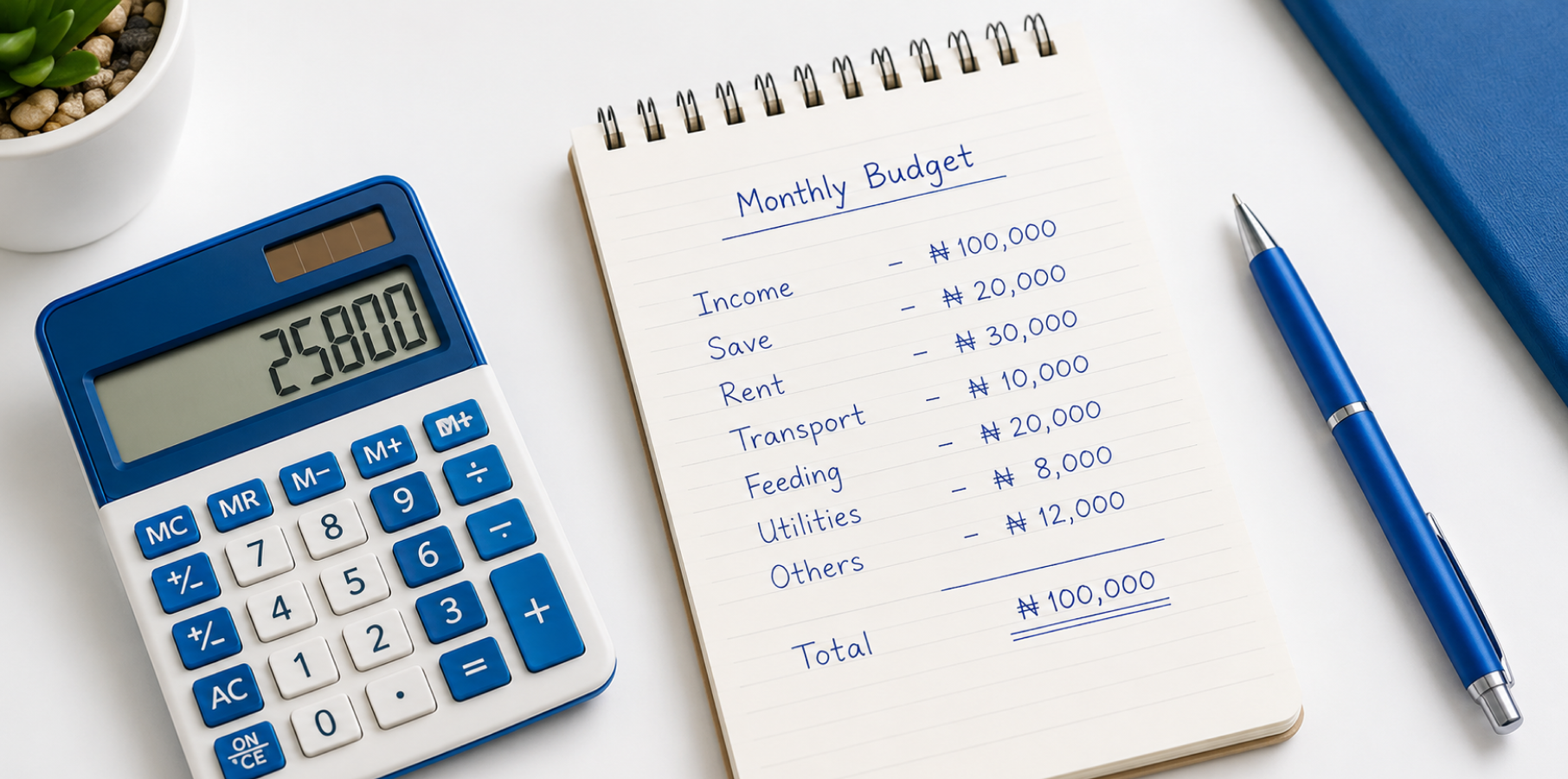
How much you can borrow depends on your employment category, your net pay, and your existing deductions, not on a single flat figure. A lender reviews your Debt Service Ratio, which is the share of your monthly income already committed to other obligations, and sizes the loan so the new repayment fits within what remains. Borrow more than your payslip can carry, and the application is trimmed or declined, which protects you as much as the lender.
Pricing on Nigerian salary loans is usually quoted as a flat monthly interest rate: a fixed percentage of the original amount, added each month across the tenure, with principal and interest spread into equal monthly instalments. Loans taken under the government-backed consumer credit scheme (covered below) carry discounted rates compared with standard pricing.
Credit Direct offers loans of varying amounts to customers, and your exact rate is set from your profile and tenure, so the most reliable way to see your number is to request a quote through the channels in the application section. However, civil servants can get up to ₦5 million in loans on the Credit Direct app.

Credit Direct salary loans by employment category
Credit Direct offers four collateral-free personal loan products, each matched to how you are employed. None requires a guarantor or collateral, and all run on payroll-friendly repayment.
For a wider view of how borrowing, approval, and repayment fit together on Credit Direct's platform, the overview in Loans on the Credit Direct App: Everything You Need to Know is a useful companion to this guide.
How do you tell a trustworthy lender from a risky one?
You judge a lender by its licence and its transparency, not by how fast the money lands. Speed is easy to fake. The marks of a lender you can rely on are harder to imitate, and knowing them lets you borrow with confidence rather than guesswork.
Three signals matter most.
- First, regulation: a credible lender is licensed and supervised by a recognised authority. Credit Direct Finance Company Limited is authorised and regulated by the Central Bank of Nigeria.
- Second, institutional backing: Credit Direct was established in 2007 and is a wholly owned subsidiary of FCMB Group Plc, the listed financial holding company behind First City Monument Bank, which means it answers to the governance standards of a major Nigerian financial group rather than operating alone.
- Third, transparency: a trustworthy lender states its amounts, tenure, and repayment terms plainly, gives you a clear instalment schedule, and recovers repayment through agreed channels.
Set that against the patterns worth avoiding. Be wary of any app that demands access to your phone contacts as a condition of a loan, that will not show you the full cost before you accept, or that relies on pressure and public embarrassment to enforce repayment.
Those are not the terms of a regulated lender. If you ever want a fuller picture of how missed obligations actually affect you, our article “What happens if you don't pay your loans” walks through it calmly and is a better guide than fear.

How to apply for a Credit Direct salary loan
You can apply in minutes through three self-service channels, and existing customers often need no fresh paperwork at all. Choose whichever suits you:
- USSD: If you’re a civil servant, you just need to dial *5120# from the phone number linked to your records, then follow the prompts. This is the "loan code" many civil servants search for, and it works on any mobile phone without internet.
- WhatsApp: Message 0907 0309 430, send "hi," and select the loan option.
- Web portal: Go to portal.creditdirect.ng, create or log into your profile, and apply from the dashboard. The private sector loan page also has an application form and the mobile app.
- Mobile app: You can download the Credit Direct app on the Android or IOS store, and follow the process listed above.
If you are new to Credit Direct, have your Bank Verification Number (BVN), your staff identification card, your salary account number, and a valid government ID ready. Existing customers can usually skip documentation.
Eligible applicants using the USSD or WhatsApp options can be assessed and funded within minutes; across all channels, approved loans are disbursed within a few hours. Before you apply, it is worth a quick read of 3 simple ways to improve the outcome of your loan application, since small things, like a clean recent credit record, move approvals faster.
When does a salary loan make sense?
A salary loan makes sense when it solves a real, time-bound need and the repayment fits inside your pay with room to spare. Used that way, it turns a difficult month into a manageable one. The test is simple: add the new monthly instalment to your existing deductions and confirm that what remains still covers your essentials. If it does, the loan is doing its job. If it does not, a smaller amount or a longer tenure with lower instalments is the smarter request.
Salary loans are well suited to fees, rent, medical costs, urgent repairs, or consolidating a bunch of smaller debts into one orderly deduction. They are a poor fit for spending that creates no value and leaves the repayment heavier than the benefit. Borrowing against a steady income is one of the most ordinary financial tools in the world; the discipline is in matching the size of the loan to the size of the need, and a strong credit record keeps your future options open, as covered in mastering your credit score and credit report.
Frequently Asked Questions
Q: How do salary loans work for civil servants in Nigeria?
A: A licensed lender assesses your monthly income and existing deductions, then offers a collateral-free loan sized to what your pay can carry. Repayment is collected from your salary in monthly instalments over an agreed tenure. For federal employees paid through IPPIS, the instalment is deducted at source on payday.
Q: What is the best collateral-free loan for a salary earner in Nigeria?
A: The best option is one from a CBN-regulated lender that matches your employment type, shows you the full cost upfront, and sizes repayment to fit your pay. Look for clear amounts and tenure, transparent instalments, and a recognised institution behind the product rather than the fastest disbursement promise. You’d find all these on the Credit Direct platform, making it the top choice for getting a fast and secure loan.
Q: Can I get a loan as a federal government employee in Nigeria?
A: Yes. Federal employees can access salary loans against their IPPIS income without collateral or a guarantor. Credit Direct's federal loan offers ₦20,000 to ₦7,500,000 over a tenure of up to 36 months, and you can apply through the Credit Direct app or by dialling *5120#, messaging 0907 0309 430 on WhatsApp, or using portal.creditdirect.ng.
Q: What is the Credit Direct loan code, and how do I use it?
A: The Credit Direct loan code is the USSD string *5120#, once on the menu, press 1 to apply for a loan. Dial it from the phone number linked to your records, follow the prompts, and if you are eligible, your loan can be processed and funded within minutes. It works on any mobile phone without internet access. You can also do a lot more with code.
Q: How much can I borrow from Credit Direct, and over how long?
A: It depends on your category. Federal and state loans go up to ₦7,500,000, paramilitary loans up to ₦7,500,000, and private sector loans up to ₦20,000,000. Public sector loans run up to 36 months, and private sector loans up to 24 months. Your actual offer is set by your net pay and existing deductions.
Q: Is Credit Direct a legitimate, regulated lender?
A: Yes. Credit Direct is authorised and regulated by the Central Bank of Nigeria and has operated since 2007 as a wholly owned subsidiary of FCMB Group Plc, the listed holding company behind First City Monument Bank.
Your next step
If you earn a salary, you are not starting from zero when you need funds; you are starting from your strongest asset, a regular income that a regulated lender already values. The move now is small and concrete: work out the amount that genuinely solves your need, confirm the monthly instalment your payslip can carry, and request a quote on the channel that suits you. Knowing your number before you decide is what turns borrowing from a worry into a plan.



%20compressed.png)