




Choosing the wrong business account can cost your Nigerian business thousands of naira monthly in unnecessary fees, failed transactions, and wasted time chasing support. With over 40 banks and fintech companies all claiming to be "the best," how do you actually choose?
There's no universal "best account" for every business. A startup needs different features than an established enterprise. An e-commerce business has different priorities than a retail store. What works for a ₦5M annual business won't work for your ₦500M operation.
This guide provides a practical framework for evaluating business accounts in Nigeria, compares traditional vs digital options, and offers clear recommendations based on your business type and size. By the end, you'll know exactly which one fits YOUR business, not just the loudest one.
What Makes a Business Account "Best"?
Before comparing specific products, you need to know what to evaluate. Here are the 5 core criteria every Nigerian business should consider:
1. Account Opening Process
How easy and fast is it to open an account? What documentation do you need? Can you open an account without CAC registration? Traditional banks often require physical branch visits and 2-3 weeks of processing. Digital brands like Credit Direct Business, OPay, and Moniepoint can open accounts online in minutes.
2. Digital Banking Experience
How good is the mobile app and web platform? Can you make transfers, check balances, and download statements easily? Does the platform crash during critical business hours? Check app store reviews before committing; a business account with frequent downtime will disrupt your operations.
3. Transaction Costs & Limits
What are the fees for transfers, withdrawals, and account maintenance? What are your daily transaction limits? Hidden charges (SMS alerts, statement fees, card maintenance) add up quickly. Make sure limits align with your business transaction volume; some digital banks offer higher limits than traditional banks.
4. Access to Credit
Can you get overdrafts, business loans, or trade financing when you need it? Traditional banks have more established credit products but strict requirements. Some digital banks now offer working capital loans based on your transaction history, which can be faster and more flexible.
5. Customer Support
How quickly do they respond when you have issues? Can you reach a real person? Is there a dedicated relationship manager? Business banking issues need fast resolution; a frozen account or failed payment can cost you customers and revenue.
"Best" varies by business size, industry, and growth stage. A business account that's perfect for a startup might be terrible for a ₦100M+ business. Evaluate based on YOUR specific needs, not generic rankings.
Business Banking Options in Nigeria
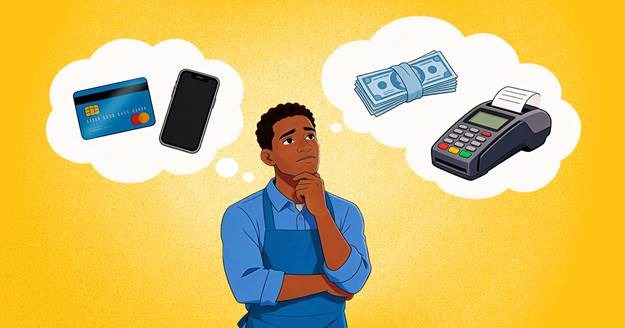
Nigerian business owners have two main categories of banks to choose from: traditional banks and fintechs. Here's how they compare:
Traditional Banks
These are older banks with an established presence across most of Nigeria’s 36 states.
Strengths:
- Established reputation and trust
- Physical branch network across Nigeria
- Established credit facilities (overdrafts, term loans)
- Treasury and investment services for larger businesses
- International banking and foreign currency accounts
Weaknesses:
- Slow account opening (2-3 weeks, requires branch visits)
- Higher transaction fees and maintenance charges
- Poor digital experience (apps crash frequently)
- Bureaucratic processes and paperwork
- Slow customer support response times
Best for: Established businesses needing large credit facilities, international transactions, or physical banking presence. Businesses with ₦100M+ annual revenue that can justify relationship banking.
Fintechs
These are neobanks with a primarily digital experience, from account opening to regular usage.
Strengths:
- Instant or same-day account opening (fully online)
- Superior mobile and web banking experience
- Lower transaction fees (many offer free transfers)
- 24/7 accessibility and faster customer support
- Modern features (bulk payments, API access, real-time notifications)
- Some offer accounts without CAC registration
Weaknesses:
- Limited or no physical branch presence
- Newer to market (less established trust). (Credit Direct is one of the oldest among the fintechs, operating for close to twenty years, although its business product is newer)
- Fewer credit products (though this is changing)
- May have lower transaction limits initially
Best for: Startups, small businesses, e-commerce, and tech-savvy business owners who prioritise speed, cost, and digital experience. Businesses that are doing most transactions online.

Best Accounts by Business Type
Now let's get specific. Here are our recommendations based on business size and type:
For Startups & Small Businesses (Under ₦10M Annual Revenue)
Recommendation: Digital banks (faster setup, lower fees)
Top Pick: Credit Direct Business or Opay Business
Why:
- Instant online account opening—no branch visits
- Can open without CAC registration (great for testing business ideas)
- Low or no fees for basic transactions
- Business wallet and mobile-first design
- Perfect for businesses just starting out with limited transaction volume
Runner-up: Moniepoint Business (especially if you need a strong POS/agent network for physical payments)
At this stage, speed and cost matter more than advanced features. Digital banks let you start operating immediately without the high account maintenance fees that eat into your limited capital.
For Growing Businesses (₦10M - ₦100M Annual Revenue)
Recommendation: Digital bank for daily operations
Top Pick: Credit Direct Business
Why:
- Handles high transaction volumes efficiently
- Lower fees save significant money at this revenue level
- Speed matters, instant transfers, real-time balance updates
- Modern features like bulk payments become critical.
- API access if you need accounting software integration.
Key Consideration: Credit Direct Business also offers loans to businesses. However, traditional banks may have more established credit facilities.
For Medium-Large Businesses (₦100M+ Annual Revenue)
Recommendation: Traditional bank with strong digital capabilities OR multiple banking relationships
Top Pick: Access Bank, GTBank (if you need traditional banking)
Why:
- Established credit facilities and higher credit limits
- Relationship banking (dedicated account managers)
- Treasury services and investment products
- International banking and foreign currency management
- Better for large supplier payments and complex transactions
At this size, you likely need multiple bank relationships anyway for risk management. Many businesses use GTBank or Access as their primary bank for credit and major transactions, while maintaining Credit Direct Business for faster daily operations and online payments. For larger businesses, Credit Direct’s 15% annual interest is a good way to improve your cash flow.
For E-commerce & Online Businesses
Recommendation: Digital-first banks with payment gateway integration
Top Pick: Credit Direct Business
Why:
- API access for integrating with buy-now-pay-later on your website.
- Easy online payment collection and reconciliation
- Real-time transaction notifications
- Better tools for managing high-volume online transactions
CRITICAL: If you use Credit Direct Checkout (Buy Now Pay Later), you MUST have a Credit Direct Business account—Checkout collections will be paid into your Credit Direct Business wallet.
E-commerce businesses live or die by transaction speed and payment collection. Traditional banks aren't built for the pace of online business. Digital banks understand your workflow and provide tools that help.
Red Flags to Avoid
When evaluating any bank, watch out for these warning signs:
- Hidden fees—Ask for a complete fee schedule. Watch for charges on SMS alerts, email statements, card maintenance, cheque books, and account maintenance. These "small" fees add up to thousands monthly.
- Transaction limits that don't match your needs—If you regularly make ₦500K transfers but the bank's daily limit is ₦200K, you'll constantly hit friction. Check limits BEFORE opening an account.
- Poor app reviews—Check app store ratings. If a bank's app has 2-3 stars with complaints about crashes, failed transfers, or login issues, believe those reviews. A bad banking app will waste hours of your time.
- No clear path to credit—If you might need business financing in the future, ask upfront: What credit products do you offer? What are the requirements? How long is the approval process? Vague answers are a red flag.
- Unresponsive customer support—Test this before opening an account. Call their support line. Send an email. How long did it take to get a real response? In business banking, support delays cost money.
How To Get Started with Credit Direct Business
Signing up on Credit Direct Business is a straightforward process. Here’s everything you will need;
- Business owner/ director’s email address
- Business owner/ director’s NIN
- Business owner/ director’s BVN
- Company’s CAC
All you need to do is go to: https://business.creditdirect.ng/signup/ to get started.
Conclusion & Next Steps
The best business bank in Nigeria depends on your specific business size, type, and needs:
- Startups & Small Businesses (Under ₦10M) → Digital banks like Credit Direct Business or Opay Business for speed and low cost
- Growing Businesses (₦10M - ₦100M) → Credit Direct Business for operations; consider adding a traditional bank if you need credit facilities. But it’s 15% yield is something to consider as it generates cash flow.
- Established Businesses (₦100M+) → Traditional banks (Access, GTBank) for credit and relationships; consider Credit Direct Business for faster daily operations
- E-commerce & Online Businesses → Credit Direct Business or Nomba for digital-first features and payment integration.
Ready to switch to a faster, smarter business bank? Open your Credit Direct Business account in 5 minutes at creditdirect.ng/business


%20compressed.png)