




You have just landed the business opportunity you have been chasing. A buyer has put in a formal purchase order for your goods, or a client has signed a contract for you to deliver a project or a service.
Then reality hits. You need to deliver before you get paid, and producing the goods or mobilising for the job costs more than you have on hand. This opportunity could also slip away, because of how time sensitive it is.
LPO/Contract Financing exists for exactly this moment, and this guide explains how it works and where you can get one.

What Is LPO/Contract Financing?
LPO/Contract Financing is a business loan that gives you the capital to deliver on a confirmed purchase order or a signed contract when you do not have the funds to do it yourself. It combines two related financing options into one facility, so the right kind of financing is available whether you are supplying goods or executing a service.
If you have a Local Purchase Order, a formal document from a buyer committing to purchase goods from you, that document is proof that the sale is real. If you have a signed contract to deliver a project, a service, or supply over time, that contract is proof the contract is real. LPO/Contract Financing uses that proof as the basis for lending you the working capital to deliver, which you then repay during the agreed tenure.
In simple terms, you have the opportunity, but not the cash to act on it. LPO/Contract Financing bridges that gap.
How Does LPO/Contract Financing Work?
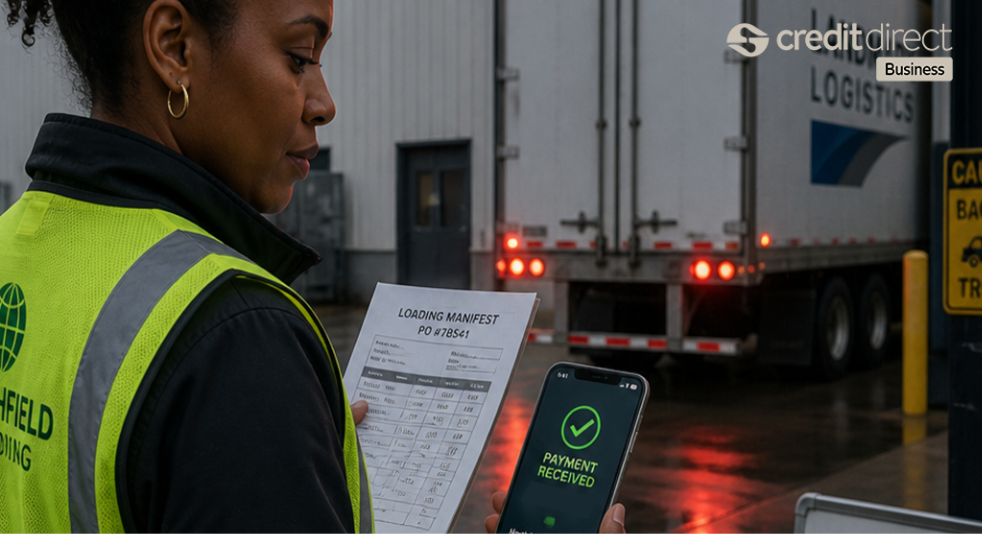
The process follows the natural flow of whichever transaction you are financing.
If you are financing a purchase order: You receive a Large Purchase Order (LPO) from a credible buyer. You apply for financing to cover the cost of fulfilling it. Once approved, the funds go toward producing or purchasing the goods the order requires. You deliver the goods, and when the buyer pays, that payment goes directly toward settling the loan.
If you are financing a contract: You have a signed, awarded contract to deliver a project, a service, or supply over time. You apply for financing to cover the cost of mobilising and getting the work done. Once approved, the funds go toward starting and running the job. As your client pays, whether at milestones or on completion, those proceeds go directly toward settling the loan.
In both cases, the loan does not require traditional collateral. You are not pledging property or personal assets. Instead, the opportunity itself secures the loan. For a purchase order, that means the LPO and a domiciliation arrangement, where your buyer agrees to pay the proceeds directly into your Credit Direct Business account. For a contract, that means the signed contract and the same kind of domiciliation arrangement with your client.
That structure means the opportunity you have already won becomes the thing that qualifies you for the capital to deliver it.

When Does LPO/Contract Financing Make Sense?
This facility is the right choice in two related situations. Either you have a confirmed purchase order to supply goods and need capital to fulfil it, or you have a signed contract to deliver a project or service and need capital to mobilise for it.
On the purchase order side, common examples include supplying a large corporate or government buyer whose order is bigger than your cash can cover or fulfilling a bulk goods order that requires you to purchase or produce more than your working capital allows.
On the contract side, common examples include a construction or supply contract that needs upfront materials and labour before the client pays, or a service contract where you need to hire, mobilise a team, or set up before work begins and payment lands.
The key detail either way is that the financing is tied to an opportunity you have already secured, not one you are still chasing. If you have already delivered and are simply waiting to be paid on an accepted invoice, Invoice Discounting is the better fit.
How to Get LPO/Contract Financing on Credit Direct Business
Credit Direct Business offers LPO/Contract Financing built for registered Nigerian businesses fulfilling purchase orders or executing signed contracts.
Loan amount: ₦500,000 to ₦20,000,000
Tenure: 1 to 3 months
Because this loan is tied to a specific transaction, you will need documents relating to it, in addition to the standard business documents:
- CAC certificate
- Director's ID & BVN
- 12 months’ business bank statement
- Utility bill
- Cost Breakdown
If you are financing a purchase order, you will also need:
- Valid LPO
- Invoice for the goods
- Buyer Domiciliation letter
For financing a contract, you will also need:
- Signed, awarded contract
- Counterparty Domiciliation letter
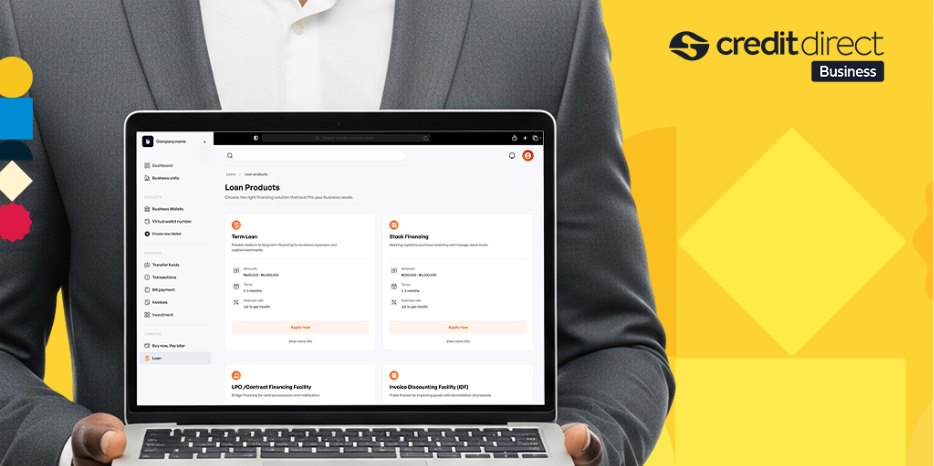
To apply, log into your Credit Direct Business account, go to the Loans section, and select LPO/Contract Financing. Indicate whether you are financing a purchase order or a contract, complete the application, upload your documents, and submit. If approved, you will receive an offer to review and accept, and then set up a mandate, before your funds are disbursed.
If you don't have a Credit Direct Business account, sign up here. All you need to get started is your Email address, Business Registration Number, BVN and NIN.
Frequently Asked Questions
What is the difference between financing a purchase order and financing a contract? A purchase order covers the supply of goods to a buyer. A contract covers a project, service, or ongoing supply over time. LPO/Contract Financing supports both, using whichever document you have as the basis for the loan.
Do I need collateral for LPO/Contract Financing? No traditional collateral is required. The purchase order or the signed contract, along with a domiciliation arrangement where your buyer or client pays directly into your Credit Direct Business account, serves as the security.
How much can I borrow? Between ₦500,000 and ₦20,000,000, depending on the opportunity and the outcome of your application.
What is a domiciliation letter? It is written confirmation from your buyer or client that they will pay the proceeds of the order or contract directly into your designated Credit Direct Business account, which is used to settle the loan.
Can I apply for this if I have both a purchase order and a contract to finance? Yes. You can submit separate applications for each transaction, since each is assessed on its own documents and terms.
How is this different from Invoice Discounting? LPO/Contract Financing funds you before or during delivery, based on a purchase order or a signed contract. Invoice Discounting funds you after delivery, based on an invoice your client has already accepted.
Ready to Deliver on That Opportunity?
Do not let a lack of upfront capital cost you the order or contract you worked hard to win. LPO/Contract Financing gives you the funds to deliver.
Apply for LPO/Contract Financing
New to business loans? Start with our complete overview: 4 Business Loans Every Nigerian Business Owner Should Know About


%20compressed.png)